One Team, One Dream: Why the Figma and Anthropic Shift is a Win for Both Sides
One Team, One Dream: Why the Figma and Anthropic Shift is a Win for Both Sides
A few days ago, a designer I work with sent me a link to the latest Figma and Anthropic news. My first reaction? A cold splash of "Oh God, I don't have a job."
The headlines were aggressive: The traditional UI/UX workflow is dead. Figma can now take AI-generated code and turn it back into fully editable designs. As a developer, that sounds like the final boss. If the AI can write the code and then reverse-engineer that code back into a pixel-perfect design file, you start to wonder where the human fits into the equation.
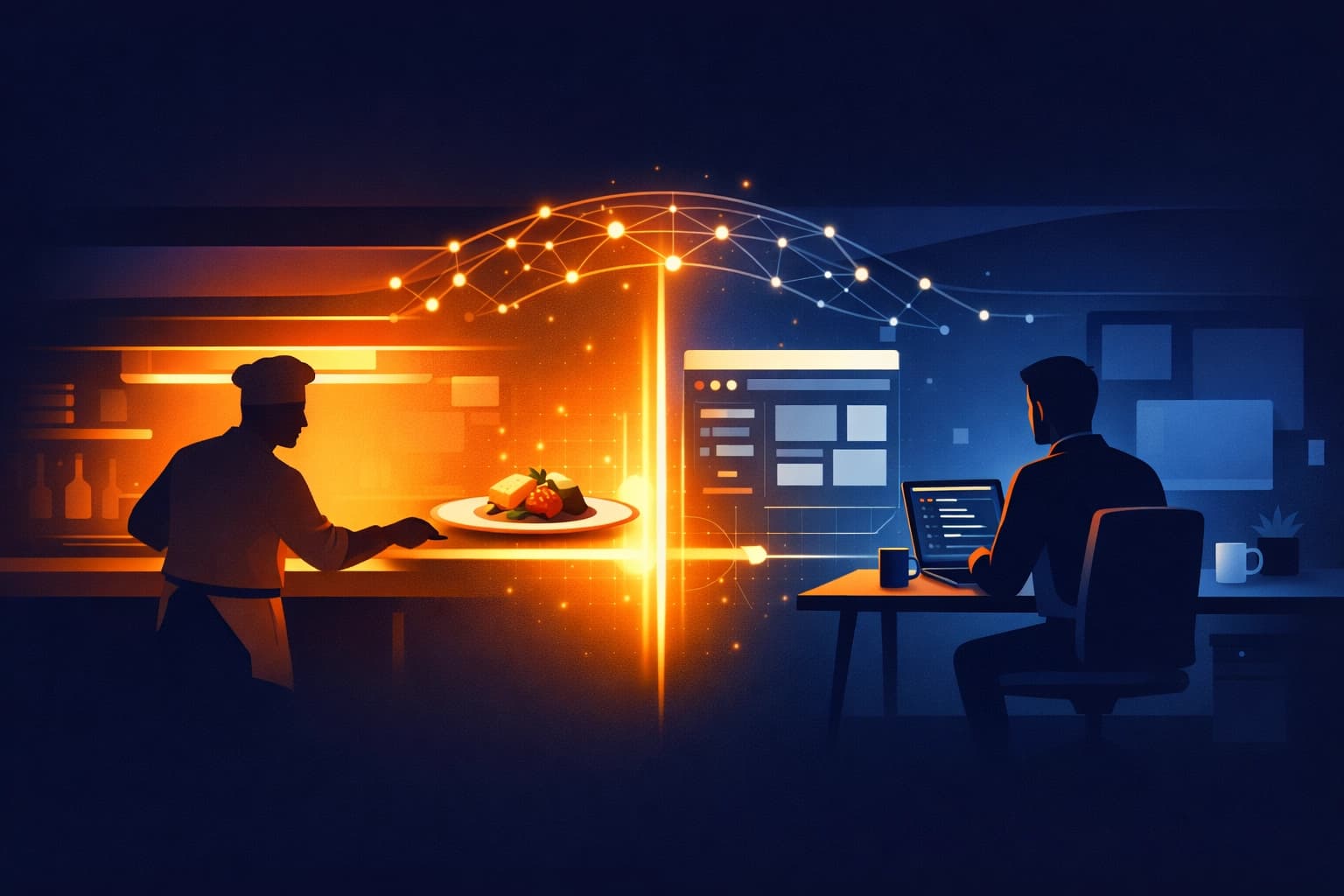
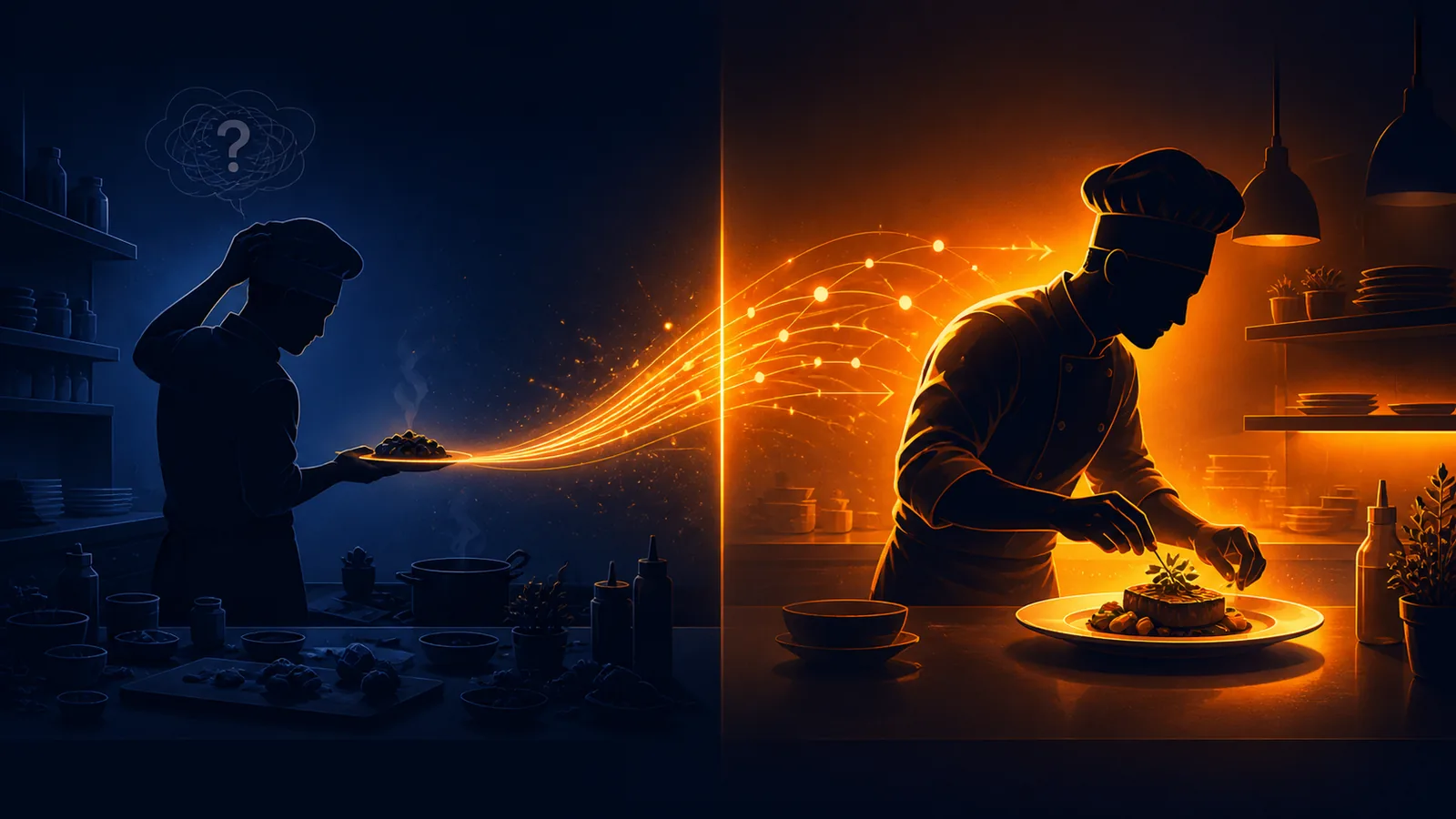
But as the initial "AI-existential dread" wore off, I realised I'd seen this movie before, not in a tech office, but in a kitchen.
Back of House vs. Front of House
Before I was a developer, I was a chef. In every kitchen I've ever worked in, there's an inherent friction between the "Back of House" (the chefs in the heat) and the "Front of House" (the staff on the floor).
The Front of House wants things to look perfect and arrive exactly how the customer imagined. The Back of House is dealing with the reality of the heat, the timing, and the logistics of the ingredients. Historically, they speak different languages, and when a "handoff" goes wrong, the friction is real.
I was always the person in the kitchen trying to bring the two teams together. My mantra was always: "One team, one dream." If we aren't synced, the customer (the user) is the one who suffers.
The Pass is Now a Two-Way Street
In tech, we've had our own version of this for twenty years. Designers (Front of House) hand over a static vision; Developers (Back of House) explain why that vision is a nightmare to build responsively. We've fought over the "handoff" for as long as I can remember.
What Figma and Anthropic are doing is effectively fixing the "pass" between the kitchen and the dining room. Instead of a one-way street (Design → Code), we're looking at a truly intertwined workflow.
By allowing an AI agent to spin up a functional, coded prototype that Figma then reverse-engineers into an editable UI, the wall hasn't just thinned. It's collapsed.
Specialisation Where it Matters
This shift allows us to focus on what we're actually good at:
Designers can truly own the UX and UI. They aren't just drawing pictures; they are owning the look, the feel, and the interaction, knowing that the "translation" to code is handled.
Developers can stop worrying about "moving rectangles" three pixels to the left. We can focus on the nitty-gritty: the deployments, the databases, the logic, and building out the AI agents that power the whole thing.
It makes the entire process leaner. It's easier for devs to get an item to production quickly because the "translation" friction is gone.
The Empathy Machine
In my experience, the biggest win here is empathy. When designers can "pick up" the code and make tweaks themselves, they start to see the "why" behind the frustrations we face as developers. They get to experience the struggle of the breakpoint and the reality of responsiveness first-hand.
It gives them a bigger picture. It shifts the conversation from "Why doesn't it look like my static mockup?" to "How do we make this feel right on every device?"
Final Thoughts
Is the "pure" UI designer or the "pure" Frontend dev in trouble? Maybe. If your only skill is moving rectangles or writing basic CSS, the floor is moving.
But for those of us willing to be a "Jack of Many Trades", this is a superpower. It's about closing the gap between the vision and the reality. When the Back of House and the Front of House finally start using the same tools to solve the same problems, we finally get to that "one team, one dream" reality.
We shouldn't fear the tool; we should master the collaboration. Because at the end of the day, the best products, and the best meals, are made by teams who actually understand each other.
Found this helpful? Share it!
Enjoyed this post? Subscribe to my newsletter for more insights on web development, career growth, and tech innovations.
Subscribe to NewsletterRelated Posts
Human + AI: The New Collaboration Skill
How working with AI shifts our process from building alone to exploring together and why the real skill now is collaboration.
Adaptability at Work: Thriving in the Age of AI
Why adaptability and creativity are the most valuable skills in a tech-driven workplace, with practical steps for teams and real examples.
Context Is the New Superpower
Generic AI is impressive. But AI with your context (your sleep, your training, your codebase, your history) is something else entirely.